

Which Is Right for Your Home?
Choosing cabinetry is an important decision during a kitchen renovation, bathroom remodel, or home improvement project. Cabinets influence the appearance of a room, determine how storage space is organized, and represent a significant portion of many remodeling budgets. Homeowners often compare stock, semi-custom, and fully custom cabinetry to determine which option best suits their available space, design preferences, and financial priorities.
At Stillwater Customs, we create custom cabinetry and woodworking for homeowners throughout Knoxville and surrounding East Tennessee communities. We understand that different projects require different approaches, and custom cabinetry is not automatically the right choice for every budget or renovation. Understanding the differences between cabinet types can help homeowners evaluate their options and decide when personalized woodworking provides meaningful advantages.
Cabinetry Options
At Stillwater Customs, we help homeowners understand the differences between stock, semi-custom, and fully custom cabinetry. Explore how materials, construction quality, storage options, and design flexibility can help you choose the right cabinets for your home’s style, functionality, and budget.
What Are Stock Cabinets?
However, stock cabinetry has limitations. Cabinet widths, heights, depths, door styles, and finishes are generally restricted to the manufacturer’s product selection. When a room’s dimensions do not align with available cabinet sizes, fillers or other adjustments may be needed. For straightforward layouts and projects with limited customization requirements, stock cabinetry may provide a practical solution. Homeowners should still evaluate construction quality, materials, hardware, and installation requirements rather than assuming that all stock cabinets offer the same level of performance.
What Are Semi-Custom Cabinets?
This flexibility can help accommodate a wider range of kitchen and bathroom layouts. However, semi-custom cabinetry typically retains restrictions related to cabinet construction, available sizes, and design configurations.
Semi-custom cabinets can be a useful middle option for homeowners who want more personalization than stock products provide without commissioning fully custom woodworking. The available modifications and resulting costs vary by manufacturer.
What Makes Fully Custom Cabinets Different?
This approach allows greater control over cabinet proportions, drawer layouts, shelving arrangements, materials, finishes, and decorative details. It can also make it easier to coordinate new cabinetry with existing architectural features or incorporate unusual storage requirements.
At Stillwater Customs, we create cabinetry based on the homeowner’s space and design goals. Our work emphasizes the relationship between practical storage, woodworking details, and the overall appearance of the room.
How Do Materials and Construction Methods Affect Cabinet Quality?
Cabinet-grade plywood, solid hardwood components, and suitable engineered materials can be used in different cabinet construction systems. Drawer slides, hinges, and other hardware should also be selected according to the expected use and weight requirements.
At Stillwater Customs, we consider material selection and construction details as part of the design process. We encourage homeowners to evaluate the actual specifications of cabinetry rather than assuming that one category always guarantees a particular level of quality.
Which Cabinet Option Provides Better Storage and Organization?
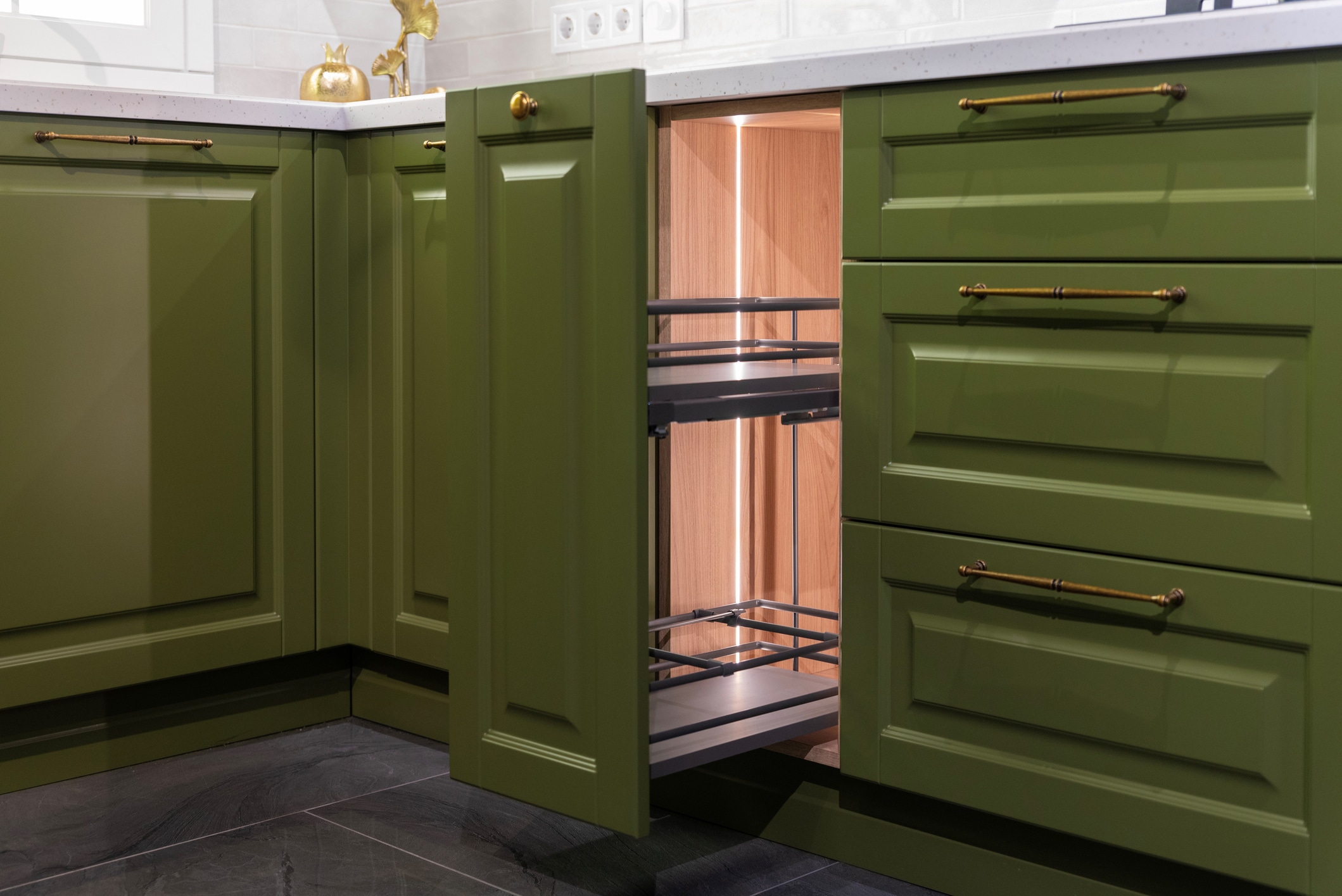
Custom cabinetry allows storage features to be planned around the homeowner’s belongings and daily routines. Specialized drawers, pantry compartments, shelving, and cabinet dimensions can be designed for particular items or activities.
We help homeowners consider how storage will be used before finalizing cabinet designs. A well-organized kitchen or bathroom should support everyday activities without creating unnecessary obstacles or wasted space.
When Is Custom Cabinetry the Better Choice?
Custom cabinetry may be a strong option when a room has unusual dimensions, the homeowner wants highly personalized storage, or the design needs to coordinate with existing architectural woodwork. It can also be beneficial when standard products cannot provide the desired proportions or appearance. For homeowners who plan to remain in their homes for many years, cabinetry designed around long-term needs may offer meaningful functional advantages. However, the additional customization should align with the household’s priorities and budget. At Stillwater Customs, we help homeowners explore custom solutions that balance appearance, usability, and available space. The right cabinetry choice should support the way the room will be used rather than simply following a particular design trend.
Frequently Asked Questions
At Stillwater Customs, we know homeowners have questions about cabinet quality, installation timelines, and design options. Our FAQs provide helpful insights into choosing custom cabinetry that complements your home’s style and meets your needs.
Not necessarily. Quality depends on materials, construction, hardware, finishing, and installation. Custom cabinetry offers greater design flexibility, but homeowners should compare the actual specifications and workmanship of each option.
The overall project timeline may be longer because custom cabinets require design and fabrication before installation. Installation time itself depends on the number of cabinets, room conditions, and complexity of the project.
Yes. Custom cabinetry can be designed to coordinate with existing trim, architectural details, wood tones, and interior finishes. We consider these features when planning cabinetry intended to complement an established space.
